
Click on an image to read the story:

Rowen
Phoebe
Tabby
Sebby
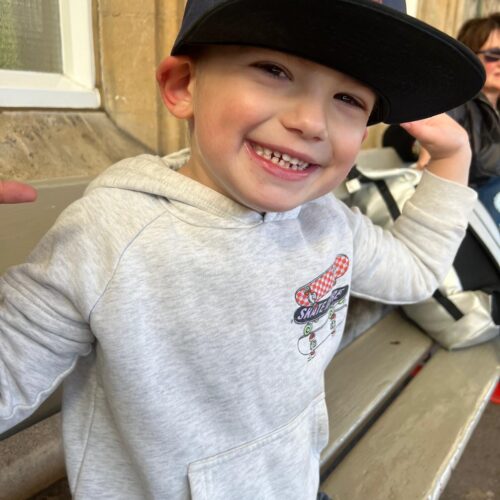
Otis Story
Rowen
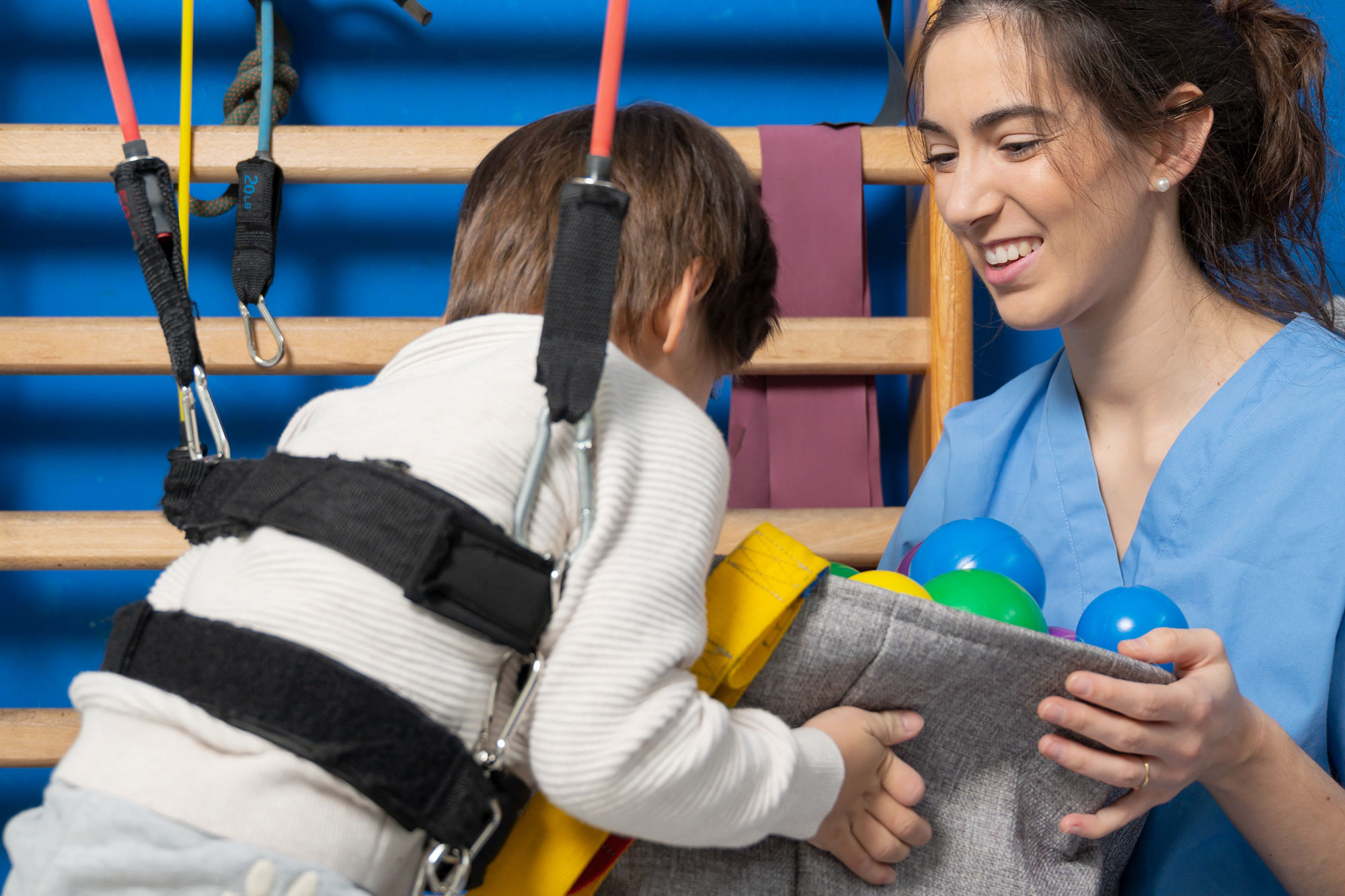
Rowen was diagnosed with TANGO2 at 13 months, after he was admitted to hospital for a long period of time. He was so poorly; we didn’t know what was happening and were so scared but after time Rowen started to improve and get better, eventually being able to come home.
We left the hospital with unanswered questions of not knowing what was going on and the doctors didn’t know what was happening.
A few months later we started noticing symptoms of leaning to one side so he was admitted again and finally his genetic results came back with TANGO2 from his previous stay.
After the 2nd admission Rowen started doing well, but having to learn all of his milestones again. At 2 years old Rowen went to nursery doing full days and he was fine, we thought his diagnoses was wrong because all his symptoms stopped.
Fast forward to 2021 Rowen was having bad episodes of symptoms lasting most of the days every day in and out of hospital. In early 2022 Rowen actually got really, really poorly he was in hospital and had a cardiac arrest 5 times and ended up in a coma. He fought back, showing us all he was a true fighter.
The Doctors were still learning about TANGO2 and were unsure what was best for Rowen not knowing if ‘normal’ treatments they would normally try would benefit Rowen. Rowen being the fighter he is still took the lead, after a long 1.5 weeks Rowen woke himself up from the coma pulling out his tubes and that’s when his road to recovery started.
Now in 2024 Rowen is the loveliest, happy young boy you’d ever meet. Who loves race cars so much, and gets us to take him to watch cars drifting and racing! Thriving every day. With the right medication. He’s in a main stream school currently, but this could change. His speech has come on incredibly well. His motor skills have improved so much. From needing a wheel chair after his admission to now not hardly using it is incredible! He still needs the wheels for long distance but he will still be determined he wants to walk!
All of this is thanks to the incredible professionals involved with Rowen, his school teachers and of course the amazing researchers and the people who donate to the fundraiser for the research to happen, to help our kids to live a better happier life. You will always have a special place in our hearts
TANGO2
Phoebe
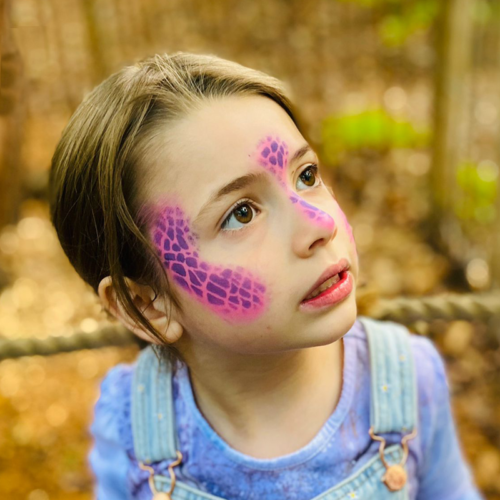
Our youngest Phoebe was diagnosed with TANGO2 in February 2023, age 6.
Phoebe is a bundle of energy and joy. She loves unicorns, pink cuddly toys, and swimming! She has an incredible elder sister and brother who let her get away with ALL the cheekiness!!!
Phoebe started with her “wobbles” age 2.
Over the years we had numerous admissions and tests to try and figure her out. She was assumed to have Episodic Ataxia, but we kept asking how does this fit with her other problems? -learning difficulties and velopharyngeal insufficiency (her soft palate doesn’t shut properly).
Finally, genetics confirmed TANGO2 deficiency disorder.
We feel incredibly lucky to have never had a metabolic crisis but have our own Phoebe challenges! Currently in local mainstream school but probably heading for special school in the future due to her learning disability. She uses a wheelchair or scooter for any walking beyond 100-200meters, you never know when her energy levels will drop suddenly, and her legs stop working. B vitamins have hugely helped Phoebe’s ability to be involved in school and home life and we recognise how important research is to support and protect our children so please consider supporting further research through TANGO2UK and the research foundation.
We are so grateful for the immediate support we have had from the TANGO2 community. We now have a personal vested interest in every single one of your TANGO2 children ❤️
Tabby
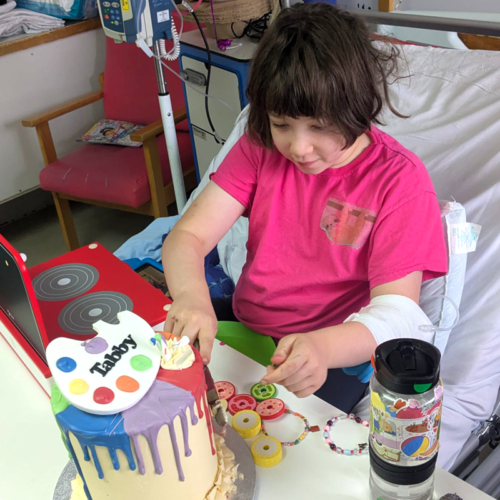
My daughter Tabby is 11 years old and she has TANGO2 and 22q11 deletion.
Tabby was behind all her developmental milestones from birth. She had trouble feeding, she was delayed with sitting, rolling, crawling etc. For a long time, the professionals suggested we watch and wait. When she was 12 months old she had a choking episode and we then got referred into the health system. After multiple tests Tabby got diagnosed with 22q11 deletion which is another rare genetic condition.
When Tabby was around18 months old she started to have episodes where she would go all floppy and lose all control over her muscles or she would go completely stiff like a plank. These episodes would last minutes to days. We took her to hospital but they couldn’t explain what was going on and it wasn’t explained by the 22q11 deletion. They investigated multiple conditions like Nimuns picks, Epilepsy, Narcolepsy, Cataplexy etc. She went for so many tests over several years. They also said it was behavioural at one point. Finally, they started to take it seriously when we got videos and when other people saw what was happening. The difference between when she was well and ill was so huge.
Eventually when Tabby was 5 years old, I pushed for her to go onto the 100000-genome project. Everyone was saying they wouldn’t find anything, but they agreed to have her tested.
3.5 years later in the middle of the pandemic we were called into Southampton hospital and we got told she had TANGO2. That was really the start of the journey.
She has been quite complex in the way she presents, and she now has a peg tube in place to support with feeding and meds and she is under a lot of professionals to try and keep her stable. Tabby has a lot of hospital visits and spends a lot of time on drips as she has gastrointestinal problems regularly which the hospital is investigating, with the hope to reduce the time she spends in hospital. She also has problems with her immune system which means she catches more bugs which also means more time in hospital.
Having a diagnosis means that hopefully we can protect Tabby but we need so much more research into TANGO2 to understand it better and avoid the delays and ongoing health problems.
Sebby
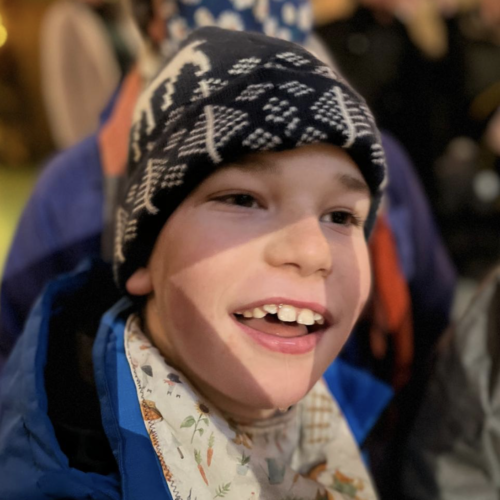
Sebby was born in 2011, and healthy and happy baby.
He cried a lot at night and always had trouble settling. Around the age of 14 months his development slowed right down and he began having funny episodes of imbalance and distress. They would always happen for around 40 minutes.
After many test and investigations (all negative) he was diagnosed with episodic ataxia. His neurologist felt this was a misdiagnosis and offered us the opportunity to be involved in the one hundred thousand genome trial to see if we could find an answer. We said yes, and after a 6 year wait we finally got the diagnosis of TANGO2 disorder.
This was scary prospect at the time as so little was known. Very few people had been identified at the time in 2018. Connections and conversations with others began and we started to feel understood and find that there was hope in families coming together.
Sebby’s TANGO2 means that he lives with many side effects of the condition. He had learning difficulties, mobility challenges, speech difficulties, thyroid problems, epilepsy, drool control issues, intercranial hypertension, abdominal migraine and sensory challenges.
He is a remarkable young man who shows incredible resilience, determination and drive. He is empathetic, loving, kind and caring. He loves animals, swimming, tractors, dancing, music, cooking, painting and much more! He has the classic infectious TANGO2 emailed and laugh and just loves a bit of mischief! Skills don’t come as easily to him as his peers, but he does not let this stop him- he tried hard all of the time and does not let his challenges stand in his way.
There was a time that we feared he was losing skills, regressing and getting more sick, but then research was published showing the incredible benefits of B vitamins. He began this research informed protocol and is more active and able than he has ever been. His health and progress are exceeding all expectations. Research has saved his life and allowed his to have a wonderful quality of life that we weren’t sure was possible.
We learn everyday from him to be grateful for each day and to have some fun!
Otis Story
Simon and I were delighted to learn that we were expecting our first child and aspirations of maintaining our adventurous lifestyle as a new family. I remember strolling through the streets of Sorrento, Italy, holding a lemon against my bump (which was approximately the size of our growing baby) and feeling optimistic about the future and the changes it would bring to our lives.
Otis filled our hearts with love from the moment we met him and struck us in awe every day, he just had some magical twinkle in his eyes full of happiness. We followed every parenting app, read all the books, bought all the right things to give him the best start physically and emotionally. We believed that we were really nailing this parenting business!
When it came to Otis having his 1-year review with the Health Visitor we had no concerns about his development or health, we knew 100% that he would be an A+ baby because he was exactly that. We discussed with the health professional how I was still doing night feeds, and it was advised for me to stop that immediately as there are no benefits other than comfort for me to continue. We took the advice and followed the instruction. However, what was to come flipped our world upside down.
The first night without feed…Otis woke in the night as normal but instead of my going to feed him, Simon went to see him for cuddles and to settle him back to sleep. Success, we did it! The problem that we weren’t aware of was that we had hit the big red button on our little man’s life. He woke up in the morning for me to give him his morning feed but seemed tired and confused. I put this down to him having his routine disrupted and needing to adjust to the change. I carried him from his room to ours for a lazy morning hug but whilst taking those few short steps Otis made a grumble sound and threw up green/ yellow bile over my shoulder. By the time it took me to walk a few more paces into our bedroom to lay him down and clean us up he became unresponsive. What just happened?? Does he have tummy bug? A virus? Why is he not waking up? What is going on??
Covid-19 was a time when the whole world became a bit wonky and scary for everyone. Families weren’t allowed to meet. Doctors surgeries were closed. Everything closed. Everything stopped. Global lockdown! There was no one we could call for advice with an unresponsive baby. Eventually we spoke to our GP who advised us to take Otis straight to A&E where they will be expecting us, thankfully we live less than a 10-minute drive away. The moments that happened next were the beginning of our world terrifyingly flipping upside down. The worries of the pandemic felt like a whisper compared to the shrill internal screaming of having our beautiful little limp 13-month-old whisked out of my arms at the hospital entrance and rushed into Resus. I was taken aside by a member of staff and prepared for what I was about to see on the other side of the double doors “there’s going to be a lot of people, a lot is going to be happening and its going to be quite a shock…” I stopped listening and stared at the woman’s lips move while nodding in agreement wide eyed and unprepared for the scene I was about to walk into.
When those doors opened, I was hit with a wall of frenzy and noise. Tubes, wires, medical packaging, machines and people all surrounded Otis. Was I calm in the chaos or frozen in shock? I’m still not sure. I knew things were not good when I was asked to encourage him to wake up by holding his hand and speaking into his ear. Were we really clutching at straws here? It started to dawn on me that our precious, beautiful little boy with his infectious smile full of joy and love might not wake up. The enormity of the reality started to sink in, and I started to wish for the director to call cut on this scene, for the actors to come out of character and for Otis to wake up, smile into my eyes and wrap his little arms around me. The call didn’t happen.
Simon and I were taken to a side room while Otis had been sent off for scans and tests and were advised to prepare for him to not wake up. They believed that he may be experiencing Metabolic Acidosis but that was entirely a guess. It was explained that they were attempting to level out the acidity in his body with an alkaline like sodium bicarbonate. We were questioned if Otis could have accidentally consumed something toxic to him at home, could he have encountered any dangerous substances? Absolutely not, but we started wracking our thoughts and second guessing everything. I had just cleaned the carpet a few days ago. Was it not 100% dry before Otis came back to the room? Could that the cause?
It was decided that Otis would be intubated to protect his organs and send him to the nearest specialist children’s hospital to the Paediatric Intensive Care Unit (PICU) about an hour and a half away via blue light. We gently kissed our gorgeous sleeping boy with his eyes taped shut, tube in his mouth and wires riddling his little body before he was put into the ambulance. Our hearts were pounding with hope and prayer that he would make the journey to the next hospital.
Calm. We arrived at the children’s hospital in the night and the energy had shifted from the manic panic in the day to a calm dark undercurrent of worry in the evening. PICU had a different energy, it was quiet apart from the hushed low speaking between parents and staff, the bleeps of the OBS machines and the monitor lights and low-lit lamps replaced the harsh white brightness of Resus. Otis still lay so still and quiet while I held his tiny soft hand wishing for even the smallest flinch or twitch for a sign of hope that he was still with us.
Somehow that night we were reluctantly able to sleep. Although we were scared of what could happen to Otis overnight, we knew that we had to rest to gather up strength for our child’s sake. The following morning a huge wave of relief flooded over us as we discovered that Otis had surprised everyone. He had woken up and self-extubated. Otis was back with us!! He was dazed, groggy, confused and needing all the comfort and cuddles from us and we were swelling with happiness to feel our darling boy consciously back in our arms. We poured so much reassurance from our eyes to his and his clung to ours as a place of safety and protection and we promise to always be that place for Otis.
Now here’s where things became tricky. We had so many questions but very few answers. Otis was under the care of the Paediatric Metabolic and Cardiology Team who were managing his investigations and treatment. Their first goal was to keep him medically safe and stable while we gave Otis’s comfort and love and watched over the couple of weeks in hospital his sparkle in his eye and joyful smile return. We felt like we could begin to breathe again. Then this first diagnosis came, VLCADD.
VLCADD stands for Very Long Chain Acyl-CoA Dehydrogenase Deficiency. It is a rare metabolic disorder in which the body is unable to properly break down certain fats (very long-chain fatty acids) for energy. This can lead to symptoms such as low blood sugar, muscle weakness, and an enlarged heart. The condition is typically diagnosed in infancy or early childhood and requires careful management of diet and medical treatment to prevent serious complications. We were given training on how to manage this condition at home, issued with an emergency protocol and information on how to start Otis’ emergency regimen if necessary. Otis was on a very strict very low-fat diet which was difficult to adjust to especially as a 13-month-old child should be experimenting and enjoying their developing relationship with food. Otis was fed through the night via NG tube and had been put on the waiting list for a G tube. The NG tube was difficult for Otis as he kept knocking it out which was painful and upsetting for him to have put back in. However, we had a diagnosis, we had a plan, we had direct contact numbers in case of an emergency. We had answers and we had our little boy safely coming home. No more bleeping observation machines, we were the observation machines now (we continue to be). We adjusted to the new diagnosis and the challenges we faced. We were tired, worried, adjusting and living in fight or flight mode. Otis was on a slow road to recovery, and we soon realised that as he was getting better some of his skills had been lost, we were relearning who our little boy was just as he was relearning so much of his development. We noticed that Otis’ gross motor skills had regressed and was having episodes of ataxia like spells with an unsteady gait, lack of coordination, drooling and head tilt. Like a spelling mistake his body just didn’t know how to move sometimes and we could see it frightened Otis as much as it scared us. We were constantly in and out of the hospital to have his bloods checked and health monitoring to avoid another sudden metabolic crisis. Otis wasn’t going to baby groups, he wasn’t going to nursery, we weren’t seeing friends or family as lockdowns were lifted. If we weren’t at the hospital we were at home wrapping Otis up in cotton wool to protect him from illnesses and harm. Although we cherished every moment we had with Otis we were so sad for him and the rest of his world to not share the such beautiful joy he had to give.
Three months following Otis’s crisis, new diagnosis and us settling into our new normal we were contacted by Otis’ Metabolic Consultant. She informed us that Otis does not have VLCADD followed by an invitation to join the team and a Geneticist who would explain further. We were advised that Otis had received Whole Exome Sequencing Testing which analysed all the protein-coding regions of genes in the genome, which identified Otis as having the recently discovered Tango2. This was wonderful news, perhaps it wasn’t all as frightening as we believed, Otis would be able to eat without the strict restrictions and routine, perhaps this might be the miracle we hoped for. We listened with bated breath for new details, new guidance and a new picture of how Otis’s world would look and how we can support him. Unfortunately, the medical experts in the room with us had no knowledge of Tango2 and were unable to provide us with the information we were waiting for, something, anything to make things clearer. We felt like we were in a cloud of uncertainty but clutched on to optimism, surely this was good news? Where do we go from here? In terms of treatment, it was agreed that the plans were to stay the same as this was felt to be the safest choice for Otis as his presentation during crisis was closely similar to VLCADD, the emergency management plan and regimen were to remain along with the limited fast time.
But how do we treat Tango2? With deafening calmness we were told there is currently no treatment or cure for Tango2 and the prognosis is uncertain. The elevated relief soon came crashing down when we were guided towards a small Facebook community. It was up to us to learn about this condition, become experts from other families knowledge and work with the medical teams to arm ourselves with information to support Otis. We had gone from having lovely glossy informational textbooks about one diagnosis (albeit the wrong one) to being pointed in the direction of a Facebook group. Little did we know back then that this Tango2 group and the Tango2 Research Foundation would become a family we would be so grateful for, we have learnt so much from the community and have successfully pulled incredibly valuable information to pass on to Otis’s teams. Being part of the Tango2 network feels like having inside information which now allows us to confidently advise the consultants and medically advocate for Otis. The breakthrough with the B-Vitamins were a huge gamechanger for Otis’s day to day health and wellbeing. Without being part of the community and passing this information forward to Otis’s medical team who knows how long it would have taken for this to trickle down.
Going through this journey with Otis has not been easy, there have been moments of feeling lonely and isolated. Relationships with family and friends have changed and sometimes it has been very sad. I have had to focus on where my priorities are and where my energy needs to be spent. Life has been narrowed into a smaller space somewhat but that’s ok. Becoming a ‘medical mum’ is not a place I expected to be but that’s also ok. I have accepted the new world we are in; we don’t travel as much as we hoped we would have and instead of learning new foreign languages we have been learning the medical language. How many people know to pronounce encephalopathy and understand what that means? My perspective has changed a lot, I see light and dark much more differently and know now that the two can overlap, we can be brave and scared at the same time, we can be firm with doctors and respectful simultaneously.
Our children are wonderful and have so much to teach us.
Parent caregiving tips
It was in those moments of fear and uncertainty that we realised the importance of taking care of ourselves to be there fully for Otis. The adage, “You cannot pour from an empty cup,” resonated deeply with us. Just like the flight attendant’s instruction to “put your own oxygen mask on first before helping others,” we knew we needed to maintain our own health and well-being to provide the strength and support Otis needed even though it felt like the plane was already crashing down it was up to us as his parents to steer this aircraft smoothly.
How were we going to do this?
After a lot of tears and cuddles, deep breaths and long emotionally exhausting and challenging conversations we found ourselves on the road to acknowledging and accepting this new path for Otis and us as a family. We felt guilty to say it, but we were mourning the life and future we hoped for our child. There was so much uncertainty, but we worked hard to change our perspective and focus more on the positives of what can be and and what is in our control; staying healthy and strong while being the best parents and caregivers we can be. This isn’t a luxury but a necessity we needed to recognise so we could be fully present for Otis’ needs.
Here are some friendly tips:
Physical Self Care
- Get Moving: Fit in some physical activity, even if it’s just a quick walk. Exercise can help reduce stress and improve your mood.
- Eat Well: Fuel your body with balanced meals. Try to avoid relying on caffeine and sugar for quick energy boosts.
- Prioritise Sleep: Make sleep a priority to recharge your body. Create a relaxing bedtime routine to improve your sleep quality.
- Regular Check-Ups: Don’t neglect your own health. Regular medical check-ups can help catch any issues early.
Emotional wellbeing
- Find Your Support System: Connect with friends, family, or support groups. Sharing your experiences can provide emotional relief.
- Talk to a Professional: Consider therapy or counselling to manage stress, anxiety, or depression. We found EMDR therapy a successful tool for managing episodes of PTSD
- Practice Mindfulness: Engage in activities like meditation, yoga, or deep breathing exercises to calm your mind.
- Set Boundaries: Learn to say no and set realistic expectations for yourself and others.
- Find moments of fun, be silly, listen to empowering music, dance.
Practical self-care tips
- Ask for Help: Don’t hesitate to ask for help. Delegate tasks to other family members or friends.
- Organise Your Finances: Keep track of medical expenses and seek financial advice if needed.
- Stay Informed: Educate yourself about TDD but avoid information overload.
- Plan Breaks: Schedule regular breaks to rest and recharge. Respite care can provide temporary relief.
Long term strategies
- Create a Routine: Establishing a consistent daily routine, if possible, can provide stability and reduce stress.
- Build a Support Network: Cultivate a network of healthcare providers, fellow caregivers, and supportive friends.
- Be an Advocate: Actively participate in your child’s healthcare by communicating with doctors and specialists.
- Celebrate Small Wins: Acknowledge and celebrate the small achievements and positive moments.
Taking care of yourself while caring for a child with a rare disease is an ongoing process. By prioritising your well-being, seeking support, and implementing practical strategies, you can create a more sustainable and fulfilling caregiving journey. Remember, by taking care of yourself, you are better equipped to take care of your child.